
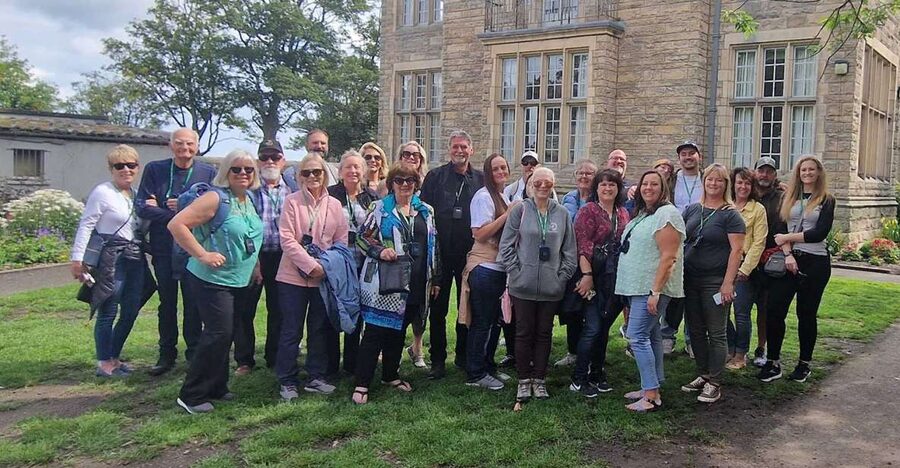
Reviewed · ST ANDREWS & FIFE DAY TRIPS
St Andrews: Guided Walking Tour, 12pm, 2pm daily
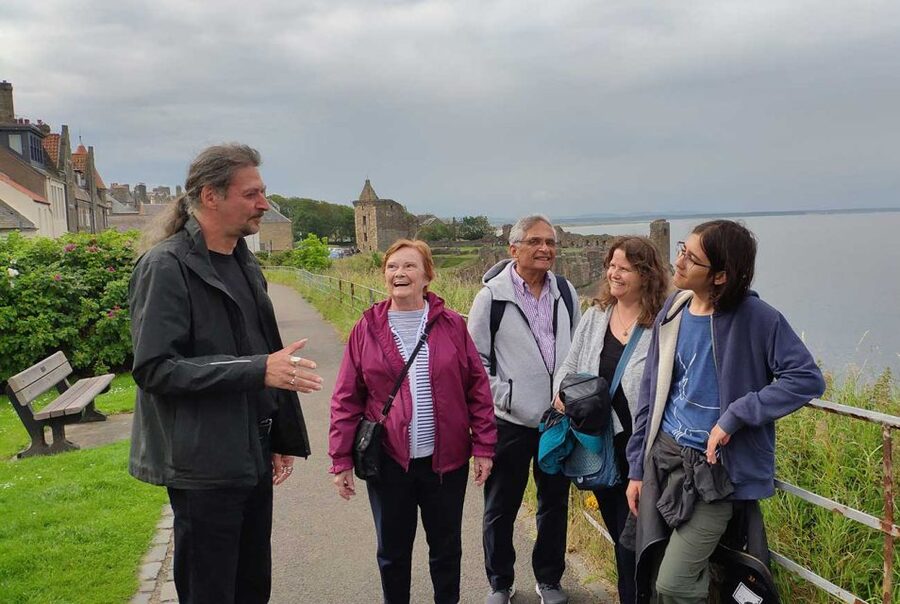
St Andrews packs an extraordinary amount into a small town, and this 105-minute walk brings the main pieces together: medieval church ruins, Scotland’s oldest university, royal stories, the harbour, and the Old Course. Guide and local author Richard Falconer connects the sights rather than treating them as separate photo stops.
I like the town-and-golf route, since you get far more than a quick look at the famous course. I also like the personal audio receivers available for larger groups, which should make Richard easier to hear. The main catch is the walking: the tour is not suitable for slow walkers, people with mobility problems, or anyone dealing with knee, hip, back, or ankle trouble.
In This Review
- Key points at a glance
- Starting at The Bothy in Church Square
- Colleges that explain St Andrews today
- The Pends and the old route toward the harbour
- Cathedral ruins and the medieval city
- St Andrews Castle and stories of power
- Unusual details beyond the headline sights
- St Salvator’s College and the university quarter
- Walking from the town to the Old Course
- The Swilcan Bridge finish
- What the $20 price gets you
- Group audio, weather, and practical comfort
- Who should book this St Andrews walk?
- FAQ
- How long does the St Andrews walking tour last?
- What time does the tour start?
- Where does the tour meet?
- Where does the tour finish?
- Is the tour conducted in English?
- Is the tour suitable for people with mobility problems?
- What happens if it rains?
Key points at a glance
- Richard Falconer leads the walk: You get a local author, town historian, and golf specialist rather than a guide focused only on one landmark.
- The route covers both sides of St Andrews: Medieval St Andrews and the Old Course are joined in one tour.
- The cathedral, castle, harbour, and colleges all feature: This is useful if you have limited time and want a strong first orientation.
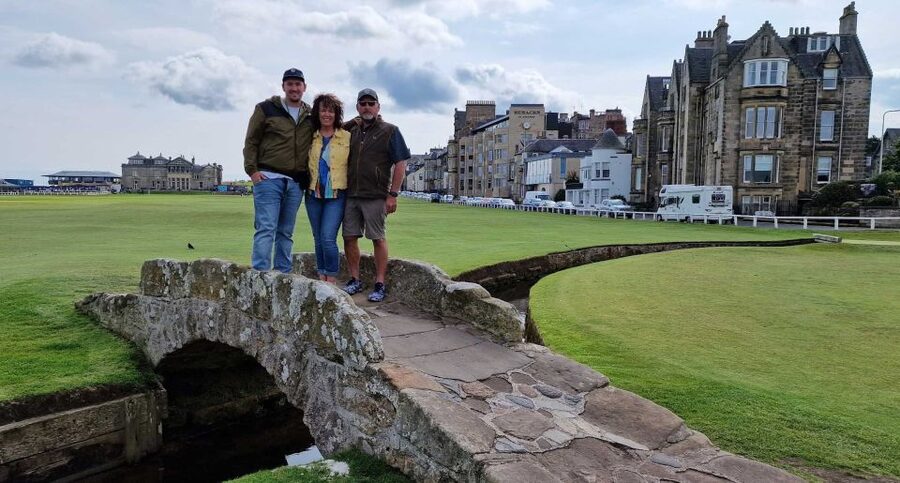
- The golf section ends at Swilcan Bridge: You get time for the classic photo stop and an explanation of how the Links shaped the town.
- The route includes royal and unusual details: Expect stories involving Pictish kings, Mary Queen of Scots, Prince William and Kate, The Crown, the Knights Templar, and Scotland’s meridian line.
- English fluency is required: Slow translation is not considered workable on this tour, so it suits confident English speakers best.
Starting at The Bothy in Church Square
The meeting point is outside The Bothy restaurant in Church Square, formerly the Dolls House Restaurant. Look for the St Andrews Tours name board in front of the restaurant, behind Holy Trinity Church.
Arrive early. The tour leaves promptly at the booked time, with departures listed at 12pm and 2pm daily. At $20 per person, the price is modest for a live tour lasting nearly two hours, especially since it includes a guide with a stated focus on both town history and golf.
The opening location is practical. Church Square puts you close to several central sights, so the tour can move quickly into St Andrews’ old quarters without spending time on transport. You will be walking from the start, so wear proper shoes rather than treating this as a gentle stroll between nearby cafés.
The tour is conducted in English, and a fluent command is essential. That matters here because the value comes from the spoken explanation. If you need frequent translation, this is probably not the right choice.
More St Andrews and Fife day trips:
- St Andrews Must-Sees Daily Walking Tour (11am & 2pm)
★ 5.0 · 478 reviews - St Andrews: Golf Origins and Old Course History Tour
★ 4.7 · 322 reviews - St Andrews: Top Sights Guided Walking Tour
★ 4.7 · 223 reviews
Colleges that explain St Andrews today
Early stops include St Mary’s College, the School of History, St Leonard’s School, and St Salvator’s College. Some are photo stops, while others are passed on foot, but together they show how strongly the university shapes St Andrews.
St Mary’s College gives you a chance to see one of the university’s historic academic settings. The School of History adds a natural link to the town’s medieval past, while St Leonard’s School and St Salvator’s College help place the university within the wider town rather than treating it as an isolated campus.
St Andrews is often reduced to golf in quick visits. That misses a major part of its character. The colleges bring student life, scholarship, religion, and old buildings into the picture. Richard’s route appears designed to explain how these parts fit together.
You should not expect a long indoor college visit. The itinerary describes photo stops, visits, and pass-by sections, not a full campus tour. That is useful to know if you want a broad town introduction, but less suitable if your main goal is detailed access to university interiors.
The Pends and the old route toward the harbour
The Pends is one of the route’s more atmospheric stops. This historic passage gives the walk a sense of how people once moved through the old city, and it provides a change from the open streets around the colleges.
From there, the tour continues toward St Andrews Harbour. The harbour section gives you a different view of the town, away from university buildings and golf landmarks. You can pause for photographs and hear how the coastal setting connects with St Andrews’ development.
I like this part of the route because it broadens the visit. The harbour prevents the tour from becoming a sequence of academic and religious sites. It also gives you a useful break in the rhythm of the walk before the cathedral and castle.
The itinerary lists walking and sightseeing here, not a boat trip or extended waterfront stop. Think of the harbour as part of a moving town walk, with time for views and explanation rather than a separate harbour activity.
Cathedral ruins and the medieval city
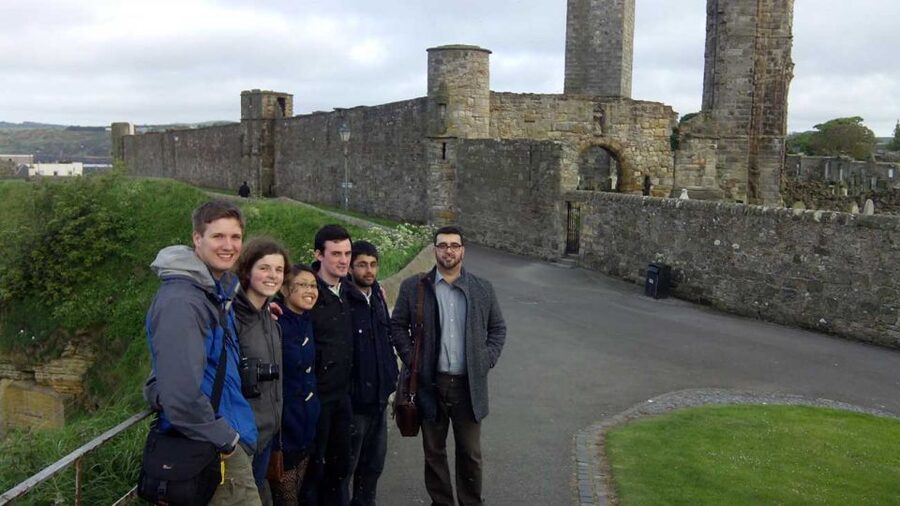
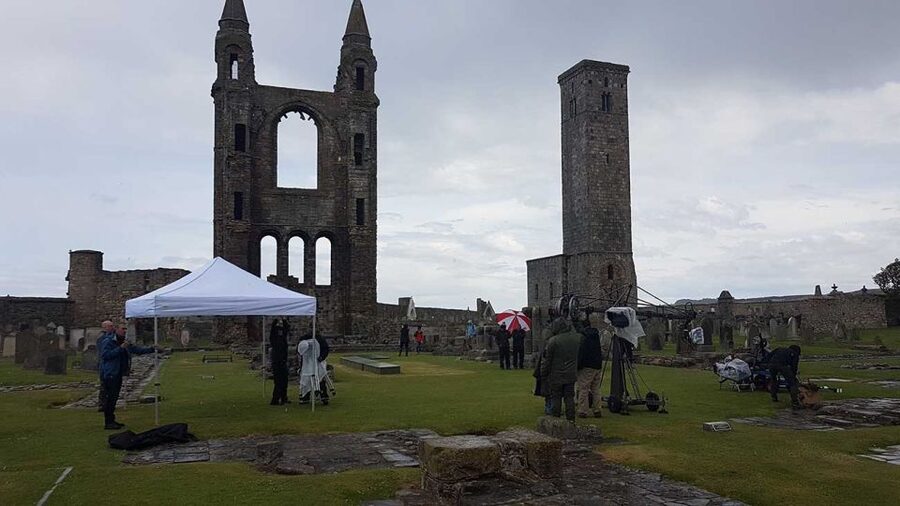
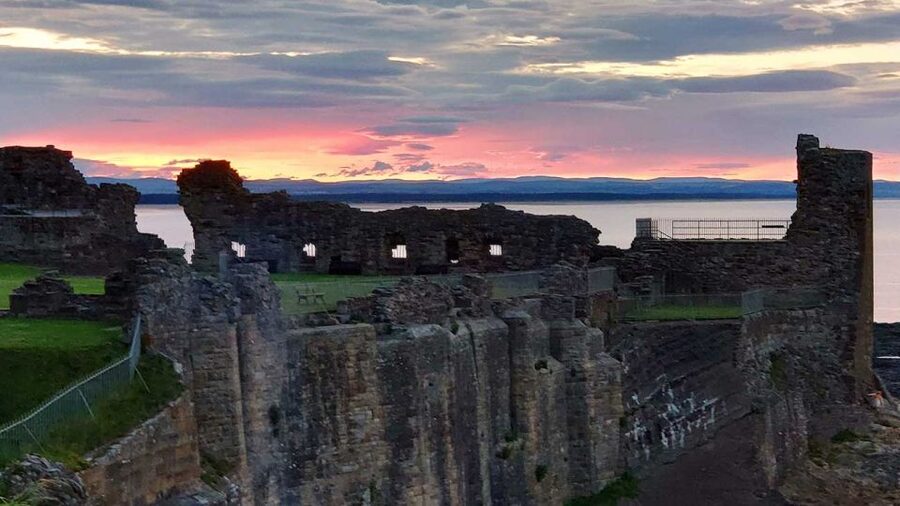
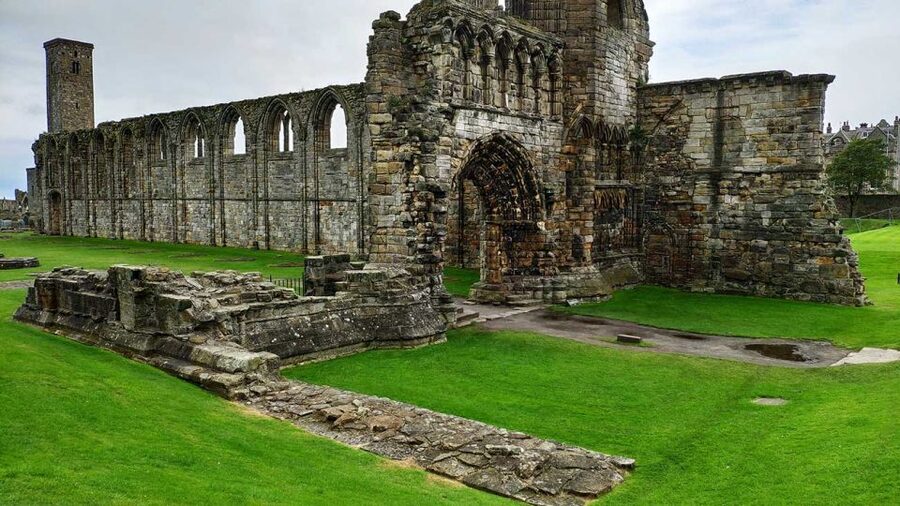
St Andrews Cathedral is one of the central stops, and rightly so. The cathedral area helps explain why St Andrews became such an important religious centre. Its scale and ruined condition give the town a very different mood from the polished golf image seen in modern publicity.
You will have a chance to visit and take photographs, while Richard explains the surrounding history. The tour also uses the term City in connection with the cathedral area, pointing to St Andrews’ former importance as a major ecclesiastical centre.
The cathedral stop is valuable even if you already know you want to see the Old Course. It gives the golf story a longer setting. The town did not begin as a sports destination, and this section makes that clear.
The information provided does not promise entry to every interior area or include admission to a separate museum. If you want a full self-guided cathedral visit, allow extra time before or after the tour and check local opening details.
More walking tours in St Andrews:
- Private St. Andrews: Home of Golf Old Course Walking Tour
★ 5.0 · 69 reviews - St Andrews: Town Highlights Private Guided Walking Tour
★ 4.9 · 25 reviews - St Andrews: 90-Minute Historical Walking Tour
★ 4.8 · 23 reviews - Edinburgh: Harry Potter Magical Guided Walking Tour
★ 4.8 · 11,944 reviews
St Andrews Castle and stories of power
The route then reaches St Andrews Castle. This is another photo and sightseeing stop, with Richard providing the historical setting.
The castle adds political drama to the religious story. The tour’s themes include royalty through the ages, from Pictish kings to Mary Queen of Scots, as well as the modern visit of Prince William and Kate. You will also hear about the filming or arrival of The Crown in St Andrews, described as the drama of when The Crown came to town.
That range should appeal if you enjoy history with a human angle. Instead of hearing only dates and building names, you get stories about monarchs, power, and the way St Andrews has remained a place of national interest.
The castle is not presented as a long archaeological visit. It is part of the walking route, so expect an exterior-focused stop with context and photographs. If you want to explore every ruin at length, plan additional time outside the 105-minute tour.
Unusual details beyond the headline sights
One strength of the walk is its attention to details that are easy to miss when you explore alone. The route includes Scotland’s meridian line, the former seat of the Knights Templar in Scotland, and Queen Mary’s House.
These are the kinds of details that can give a familiar-looking street or building a second layer. You may pass through St Andrews and see only university walls, old stone, or a narrow passage. A guide who knows the town’s stories can point out why a specific place matters.
The tour also links these smaller details to the larger story of St Andrews. Religious authority, royal visits, education, and golf all appear in the same compact town. That makes the route useful as an orientation, not just a checklist of sights.
The pace will matter. Because the tour covers so many subjects and locations in 105 minutes, explanations are likely to keep moving. You will get breadth and connections, not a slow lecture at each stop.
St Salvator’s College and the university quarter
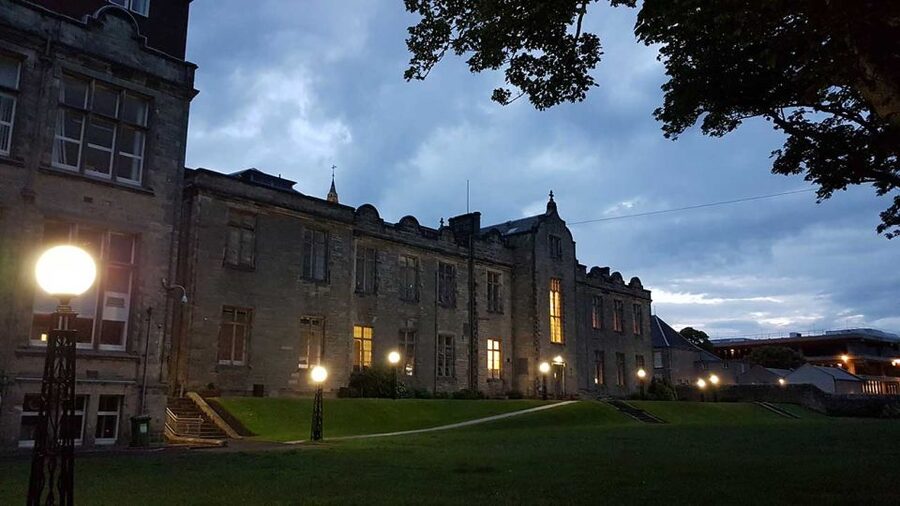
St Salvator’s College is another important university stop. Along with St Mary’s College and the other academic locations, it shows why St Andrews feels like a university town at almost every turn.
The route gives you several chances to photograph the historic college areas. Richard’s role is especially useful here because he is described not only as a guide but also as a historical expert and author. The guide’s local focus is one reason this tour has earned a full five-star rating from 28 submitted ratings, with repeated praise for the depth of explanation, the route, and the amount learned about St Andrews.
That praise points to the tour’s strongest feature: interpretation. You are not simply taken to attractive buildings. You are given a reason to care about them and a way to connect them to the town around them.
For a first visit, I would use the university section to note places you might want to revisit alone. The tour gives you a quick framework, then you can return to the college quarter at your own pace.
Walking from the town to the Old Course
The Old Course comes later in the walk, which is important for anyone considering this tour mainly for golf. The route does not begin and end around the famous fairways. You first get the town, its religious sites, harbour, university, and royal connections.
That order works well. By the time you reach the course, you have a sense of the place that produced and supported its golfing identity. Richard explains how using the resources of the Links helped transform St Andrews into the Home of Golf.
You will visit the Old Course for sightseeing and photographs. The course section is not described as a round of golf, a lesson, or access to restricted playing areas. It is a guided look at the setting and its story.
The Old Course is also where the walking demands become more important. The golf course is on the latter part of the tour, and the operator specifically warns that the tour is unsuitable for people who walk slowly or have mobility problems. Wear comfortable shoes, bring weather-appropriate clothing, and be realistic about your fitness.
The Swilcan Bridge finish
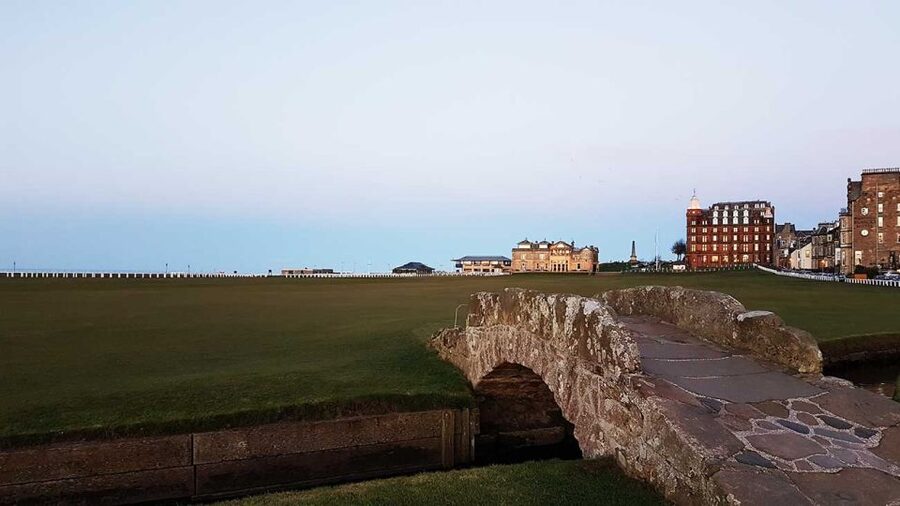
The tour culminates at Swilcan Bridge, one of the best-known photo points on the Old Course. This is the natural finishing image for a route that has moved from medieval St Andrews to the town’s modern golf identity.
The stop is designed as a photo opportunity, so have your camera ready before you reach it. The bridge gives the tour a clear ending and leaves you with the recognizable Old Course image many visitors hope to capture.
One practical point needs checking when you book. The route description lists Swilcan Bridge as the finish, while the meeting information says the activity ends back at the meeting point. Since those details do not fully match, confirm the end arrangements with the operator if you need to return to Church Square or have a fixed departure afterward.
What the $20 price gets you
At $20, this is a good-value orientation if you want an informed introduction rather than several separate admissions. In one short walk, you cover the cathedral, castle, harbour, colleges, old passages, town streets, Old Course, and Swilcan Bridge.
The guide is the main product. There is no mention of food, transport, attraction admission, or an extended indoor visit being included, so you are paying for Richard Falconer’s time, route, stories, and interpretation.
That is a sensible trade if you are in St Andrews for one day or want help deciding what deserves a longer visit. The route can save you from seeing only the golf course and missing the town’s older character.
The value drops if you cannot comfortably keep walking or if you need frequent translation. It also may not suit a visitor who wants a slow, highly detailed visit to one building. For a broad first look at $20, though, the coverage is strong.
Group audio, weather, and practical comfort
Larger groups can use a personal wireless audio receiver and whisper earphone. This is a small but useful feature. On a public street, near a busy tourist sight, or while standing at the back of a group, hearing the guide clearly can make the difference between following the story and missing it.
The tour runs rain or shine unless severe weather forces cancellation. St Andrews can be exposed, so bring clothing suited to the forecast rather than relying on a pleasant start to the day. Comfortable shoes are essential.
The tour is not suitable for wheelchair users, people with mobility impairments, people with back problems, people with low fitness, or people recovering from knee, hip, or ankle issues. It is also not suitable for children under two. Children under five can attend free, but the walking and English-language format still matter when deciding if it fits your family.
Intoxication, alcohol, and drugs are not allowed, and minors cannot attend unaccompanied. You can cancel up to 24 hours ahead for a full refund, and the reserve-now, pay-later option keeps the booking flexible. If severe weather cancels the tour, the stated options are a refund or a rescheduled tour.
Who should book this St Andrews walk?
I would book it if you want a single, well-planned introduction to St Andrews and care about both the historic town and golf. It is especially useful for first-time visitors, short stays, and anyone who wants a local guide to connect the cathedral, university, castle, harbour, and Old Course.
Golf fans will appreciate that the route does not treat the Old Course as a detached attraction. History-minded visitors will like the royal stories, medieval sites, Knights Templar connection, and university quarter. The high rating and repeated praise for Richard’s explanations fit the tour’s main purpose: helping you understand the town, not just photograph it.
I would skip it if you need an accessible route, walk slowly, rely on translation, or prefer to explore at your own pace. You should also check the finish point before booking if you have a tight schedule after Swilcan Bridge.
For most fit English-speaking visitors, this is a worthwhile $20 introduction. Book it early in your St Andrews visit, then use the remaining time to return to the sights that caught your attention.
FAQ
How long does the St Andrews walking tour last?
The tour lasts 105 minutes.
What time does the tour start?
Tours are offered daily at 12pm and 2pm. Check availability for the exact starting times when booking.
Where does the tour meet?
Meet outside The Bothy restaurant in Church Square, St Andrews, KY16 9NN. It was formerly the Dolls House Restaurant. Look for the local operator’s name board behind Holy Trinity Church.
Where does the tour finish?
The route culminates at Swilcan Bridge on the Old Course. The meeting information also says the activity ends back at the meeting point, so confirm the final return arrangement with the operator.
Is the tour conducted in English?
Yes. The live guide speaks English, and a fluent command of English is essential for participants.
Is the tour suitable for people with mobility problems?
No. It is not suitable for wheelchair users, people with mobility impairments, people with back problems, people with low fitness, or those who walk slowly. The Old Course section comes later in the walk.
What happens if it rains?
The tour runs rain or shine but can be cancelled in severe weather. In that case, you will receive a refund or a rescheduled tour. Bring comfortable shoes and weather-appropriate clothing.
Just added around St Andrews
- Barrel-top whisky tasting in St Andrews★ 5.0 · 20 reviews
- St Andrews: 90-Minute Historical Walking Tour★ 4.8 · 23 reviews
- St Andrews: Town Highlights Private Guided Walking Tour★ 4.9 · 25 reviews
- Bespoke Private Tours of Scotland and the Borders★ 5.0 · 29 reviews
- Private St. Andrews Tour with Dedicated Local Guide★ 5.0 · 38 reviews
- Watch Building Experience – St Andrews★ 5.0 · 40 reviews
- St Andrews History Tours★ 5.0 · 41 reviews
- Private St. Andrews: Home of Golf Old Course Walking Tour★ 5.0 · 69 reviews
St Andrews & Fife Day Trips, compared.

St Andrews & the Fishing Villages of Fife Small-Group Day Tour from Edinburgh
Read our review →
Rosslyn Chapel, Dunfermline Abbey and Stirling Castle Day Tour
Read our review →
St Andrews Must-Sees Daily Walking Tour (11am & 2pm)
Read our review →
Rosslyn Chapel, Stirling Castle & Dunfermline Abbey Tour
Read our review →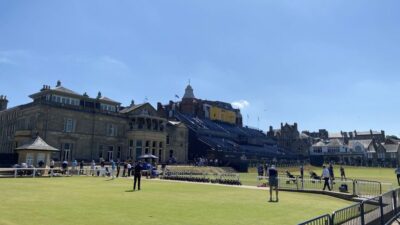
Browse the lists this tour appears in