
Reviewed · WALKING TOURS
Edinburgh: Dean Village & New Town Walking Tour
Dean Village gives this walk its best surprise: a quiet former milling district only a short distance from central Edinburgh. You leave the city streets for stone buildings, old mill markers, and the Water of Leith, then move into the grand Georgian order of the New Town.
I like the contrast between the two districts, and I like the way the guide connects buildings to people such as David Hume, Adam Smith, and Arthur Conan Doyle. The discussion of colonial wealth and the city’s growth also adds needed balance. The main drawback is simple: this is a walking tour in a city known for rain, and poor weather can lead to cancellation.
In This Review
- Key points
- Why Dean Village is the right place to begin
- Charlotte Square and the making of modern Edinburgh
- The Georgian House and life behind the façade
- Rose Street, old drinking culture, and the New Town grid
- Castle Street and Princes Street Gardens views
- The Scott Monument and the city’s literary identity
- George Street, statues, cafés, and grand interiors
- The Dome and New Town ambition
- Melville Monument and the colonial story
- Dundas House and a Palladian finish
- What the $27.37 price gets you
- Who will get the most from this walk
- Practical details before you book
- Should you book the Dean Village and New Town walk?
- FAQ
- How long does the Dean Village and New Town Walking Tour last?
- How much does the tour cost?
- Where does the tour begin?
- Where does the tour end?
- Does the tour include admission to Edinburgh Castle or the Georgian House?
- How large is the group?
- What happens if the weather is poor?
Key points
- Dean Village’s medieval working past: See old mill stones and plaques showing loaves and pies in a district once linked to bakers, weavers, and water mills.
- Georgian Edinburgh in context: Learn how the New Town helped give Edinburgh its nickname, the Athens of the North.
- Architecture with a human story: Visit Charlotte Square, the Georgian House exterior, Dundas House, the Dome, and the planned New Town grid.
- Castle views without a castle visit: Look across from Castle Street and Princes Street Gardens toward Edinburgh Castle and Castle Rock.
- A thoughtful look at colonialism: Hear how British imperial power helped fund and shape the city’s grand expansion.
- A small-group format: The tour accepts no more than 20 people, with a mobile ticket and a local guide.
Why Dean Village is the right place to begin
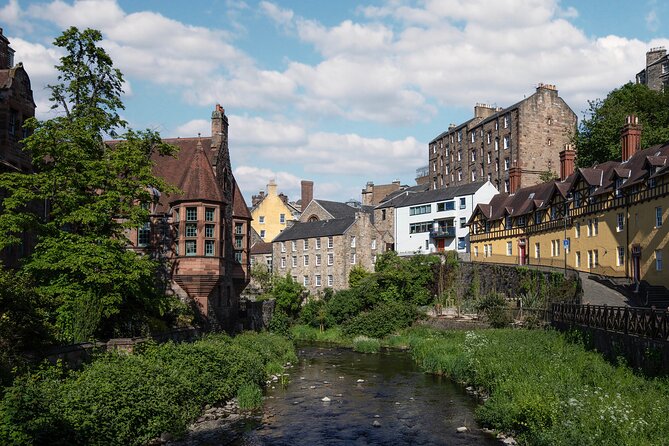
The tour starts at 2-4 Hope Street, close to central Edinburgh, and heads first toward Dean Village. That choice is smart. Many people spend their first day on the Royal Mile and around Edinburgh Castle, then miss this quieter corner of the city.
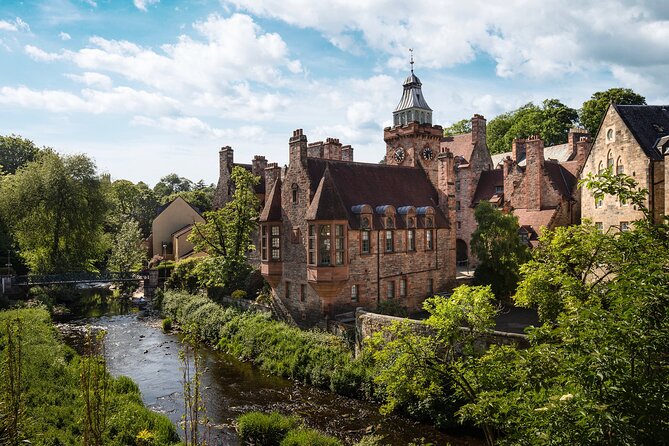
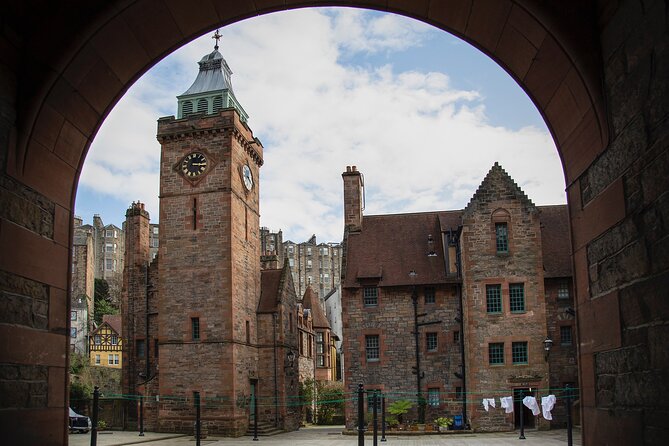
Dean Village was once a medieval industrial district powered by the Water of Leith. Bakers and weavers lived and worked here, and water mills supported local trade. The village still keeps traces of that working past, including mill stones and stone plaques decorated with bread and pies.
Today, the setting is peaceful and photogenic, but the guide helps you see more than pretty stone buildings. You learn why this small district existed and how work, water, and housing shaped it. That makes the stop more useful than a quick photograph from a viewpoint.
The Dean Village portion takes about 30 minutes. That is enough time to get a sense of the place without turning the entire walk into a visit to one neighborhood. You should expect a short walk through a historic residential area rather than entry to a museum or a formal attraction.
More walking tours in Edinburgh:
- Edinburgh: Harry Potter Magical Guided Walking Tour
★ 4.8 · 11,944 reviews - Edinburgh Castle: Guided Walking Tour with Entry Ticket
★ 4.7 · 11,699 reviews - Underground Vaults Walking Tour in Edinburgh Old Town
★ 4.5 · 8,506 reviews
Charlotte Square and the making of modern Edinburgh
From Dean Village, the group continues toward Charlotte Square and the New Town. The mood changes quickly. Dean Village feels irregular and close-packed, while the New Town was designed around order, open space, broad streets, and formal crescents.
Charlotte Square gives you a clear introduction to neoclassical Edinburgh. The buildings here help explain why the city earned the nickname Athens of the North. The reference is not only about learning and philosophy. It also reflects the way Edinburgh’s architects borrowed from the classical world, using symmetry, columns, proportion, and monumental façades.
The stop lasts about 10 minutes, so the guide needs to keep the explanation focused. That works well for a walking tour, but you will not have time to study every building in detail. If you enjoy architecture, note the places that catch your eye and return later at your own pace.
The Georgian House and life behind the façade
The group pauses outside the Georgian House, one of the grandest homes in Charlotte Square. The discussion looks at upper-class life in Edinburgh during the 18th and 19th centuries.
This is one of the useful parts of the walk because it shifts attention from architecture to daily life. A Georgian façade can look calm and perfect, but the people inside lived within a strict social order. The guide helps you picture what high society life was like and how the New Town was intended to function.
The tour stops outside rather than promising admission to the Georgian House. If you want to see the interior, the National Trust for Scotland operates the property, but entrance is not included in this walking experience. That distinction matters when you plan your day and budget.
Rose Street, old drinking culture, and the New Town grid
Rose Street takes you into the New Town’s planned grid. It is now known for pubs, but the tour uses it to explain why secret bars were established in the New Town.
That detail adds some welcome human drama to the formal streets. Grand planning did not erase private habits, social rules, or the need for discreet places to meet. The story gives you a reason to notice the lanes and side streets instead of seeing the New Town as a collection of impressive façades.
The stop lasts around 10 minutes. The tour does not include a drink, and Rose Street is not presented as a pub crawl. Think of it as a short historical explanation along the route, followed by useful orientation for later meals or drinks.
Same city, a completely different sort of day:
- Edinburgh: Loch Ness, Glencoe & the Scottish Highlands Tour
★ 4.6 · 17,446 reviews - Edinburgh: Underground Vaults Tour
★ 4.6 · 11,758 reviews - From Edinburgh: Loch Ness, Glencoe & Scottish Highlands Tour
★ 4.7 · 11,381 reviews - The World Famous Underground Ghost Tour
★ 4.5 · 9,272 reviews
Castle Street and Princes Street Gardens views
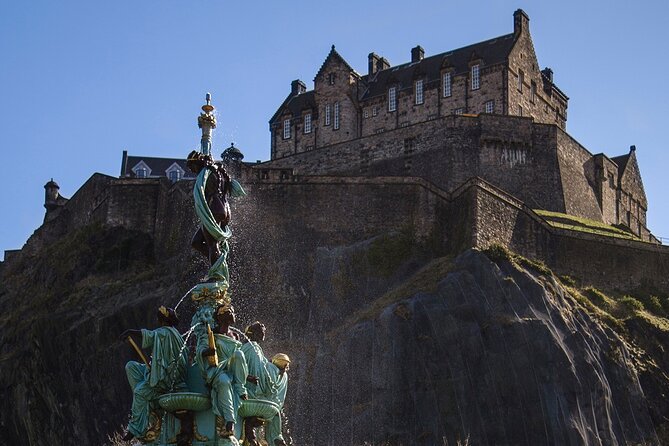
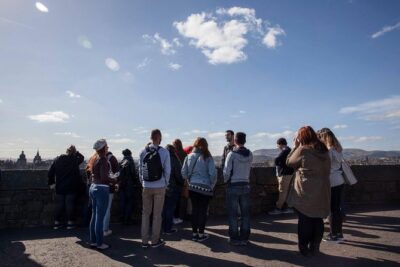
On Castle Street, you get a strong view of Edinburgh Castle and Castle Rock. This is one of the tour’s best visual pauses because the castle appears in relation to the newer city around it.
The guide then leads the group across Princes Street and into Princes Street Gardens. The park provides open space after the tighter streets of the New Town. You stop for about 15 minutes to look at public art and take in another view toward the castle.
I like this section because it brings together several layers of Edinburgh. The medieval castle sits above the city, the Georgian New Town spreads below, and the gardens form a green break between them. You do not enter the castle on this tour, so anyone wanting the full castle visit will need separate time and admission.
The route crosses Princes Street, so you need to stay with the group and follow the guide’s direction. The tour is described as suitable for most people, but it is still a 2-hour-15-minute walking activity. Comfortable shoes and a rain layer are sensible choices.
The Scott Monument and the city’s literary identity
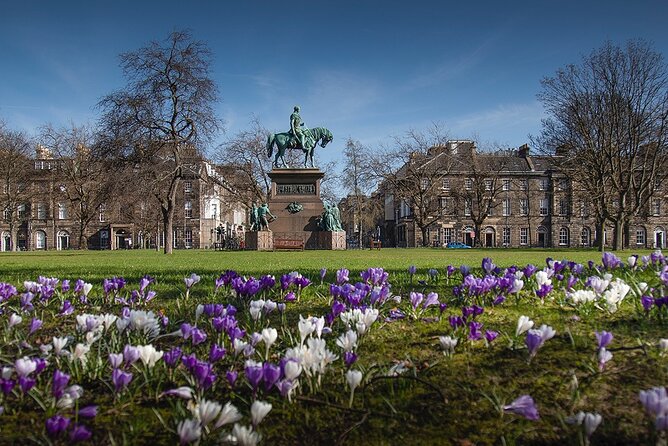
From the gardens, the group continues to the Scott Monument. At roughly 200 feet high, it is widely known as the largest monument dedicated to a writer, and the guide explains its design and purpose.
The monument honors Sir Walter Scott, one of Scotland’s major literary figures. Even if you are not familiar with his books, the structure tells you something about Edinburgh’s pride in literature. This is a city where writers, philosophers, scientists, and inventors are part of the public story, not just names on a plaque.
The stop lasts about 15 minutes. You view the monument from outside, and climbing it is not part of the tour. That keeps the schedule moving, but you may want to return later if you wish to explore the monument more closely.
George Street, statues, cafés, and grand interiors
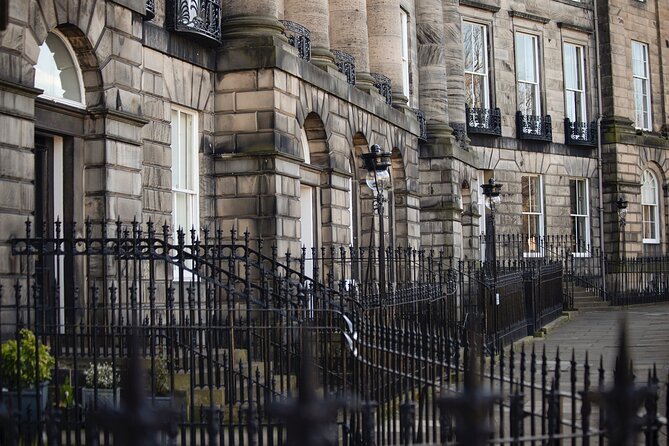
The walk returns to the New Town grid and follows the eastern section of George Street. This broad street is lined with cafés, restaurants, shops, hotels, statues, and large neoclassical buildings.
The guide points out statues dedicated to King George IV and James Clerk Maxwell. These stops help widen the story beyond famous writers. James Clerk Maxwell connects Edinburgh to science, while the royal statue points to the political and social world that shaped the Georgian city.
George Street is also a practical part of the route. If you are deciding where to eat later, you will get a quick sense of the area’s restaurants and cafés. The guide Irene has also offered local restaurant tips during this walk, which can be handy after the tour, though no particular restaurant is guaranteed.
The Dome and New Town ambition
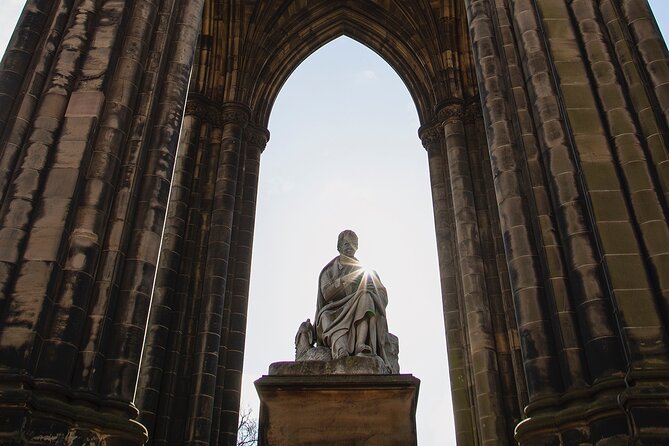
Near George Street, the group sees the Dome, one of the New Town’s most striking neoclassical buildings. The stop is brief, about five minutes, but the building makes a strong visual point.
The New Town was not planned as a collection of modest homes. Its broad streets and imposing façades were meant to project order, prosperity, and civic confidence. The Dome helps you understand that ambition. You see how architecture could signal status before anyone entered the building.
Because the visit is short and outside, do not expect a meal or interior tour. The value here is the guide’s explanation and the way the building fits into the larger plan of the New Town.
Melville Monument and the colonial story
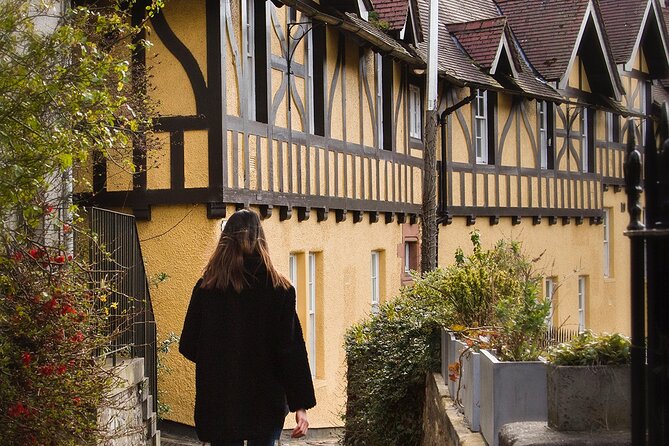
At the center of St. Andrew Square, the Melville Monument provides a chance to discuss the British colonial period. This is an important part of the tour, since Edinburgh’s grand streets were not created in isolation from the wider British Empire.
The monument commemorates Henry Dundas, 1st Viscount Melville, and the guide explains why it was built and how it connects with Britain’s colonial power. That context helps you read the city with more care. Wealth, political influence, trade, and imperial administration all played a role in the growth of Edinburgh’s elite districts.
The discussion does not treat the New Town as a spotless story of architecture and learning. It asks you to consider who benefited from the city’s expansion and how public monuments preserve certain versions of the past. For a short city walk, that is a worthwhile addition.
Dundas House and a Palladian finish
The final stop is Dundas House, across from the Melville Monument. The building was designed with inspiration from the Italian Renaissance architect Andrea Palladio, whose work influenced neoclassical architecture across Europe.
Dundas House is now a bank. If it is open, the group may enter, though entry is not guaranteed. The tour ends outside the building in St. Andrew Square, giving you a central finish near shops, restaurants, public transport, and the Christmas markets when they are operating.
Ending here works well. You have moved from a medieval industrial neighborhood to Georgian squares, formal streets, public monuments, and a building shaped by Renaissance ideas. You also finish in a useful part of central Edinburgh rather than being left far from the city center.
What the $27.37 price gets you
At $27.37 per person, this is a reasonable price for a 2-hour-15-minute guided walk, especially if you want context rather than a simple route between photo stops. The fee covers a local tour guide, not admission to the Georgian House, Edinburgh Castle, the Scott Monument, or other attractions.
The value depends on how much you want from a guide. If you only need directions to Dean Village and the New Town, you can walk these areas independently. But the route covers medieval industry, Georgian planning, Scottish Enlightenment figures, literary and scientific connections, secret bars, public art, and colonial history in one compact outing.
The maximum group size is 20 people. That is not a private tour, but it is small enough for a guide to keep the group together and answer some questions. The experience has received a top rating across eight published reviews, with special praise for Irene’s friendly manner, clear explanations, and ability to make the walk enjoyable.
The tour is often booked well ahead, around 118 days in advance on average. That suggests you should reserve early if the timing matters, particularly during busy periods. You receive a mobile ticket, and confirmation comes at booking.
Who will get the most from this walk
I would choose this tour if you have already seen the Old Town and want a different side of Edinburgh. One person who joined both an Edinburgh Castle and Royal Mile walk and this New Town route found the second tour a useful follow-up, since it opened up a part of the city that felt less familiar and less focused on the usual sights.
It also suits first-time visitors who want an introduction to the New Town before exploring it alone. The route gives you landmarks, names, views, and a basic map in your head. Afterward, you can return to the places that interest you most.
Architecture fans will appreciate the focus on neoclassical design, Palladian influence, Georgian homes, crescents, and the New Town grid. Readers interested in Scotland’s intellectual life will enjoy references to David Hume, Adam Smith, Arthur Conan Doyle, and James Clerk Maxwell.
This may not be ideal if you want a slow photographic walk, long indoor visits, or extensive time at each monument. The schedule is active, and nearly every stop is short. You are seeing a wide slice of the city, not studying one building for an hour.
Practical details before you book
The meeting point is 2-4 Hope Street, Edinburgh EH2 4DB. The tour ends outside Dundas House in St. Andrew Square, Edinburgh EH2 2YB, so you finish in a central location rather than returning to the start.
The experience is near public transportation, and most people can take part. Service animals are allowed. The supplied details do not promise step-free access throughout the full route, so contact the provider before booking if you have specific mobility needs.
Plan for outdoor conditions. This experience requires good weather, and the provider may cancel if conditions are poor. You will be offered another date or a full refund if that happens. You can also cancel for a full refund up to 24 hours before the start time. Changes or cancellations made less than 24 hours ahead are not accepted for a refund.
The tour needs a minimum number of participants. If that number is not reached, you will be offered another date or experience, or a full refund.
Should you book the Dean Village and New Town walk?
Book it if you want Edinburgh beyond the Royal Mile, especially if you value stories about people, power, architecture, and city planning. The combination of Dean Village’s former mills and the New Town’s grand squares gives you two very different versions of Edinburgh in one well-shaped route.
I would be especially inclined to book if Irene is leading the walk, since her reviews praise her friendly, engaging approach and practical food suggestions. Still, the real strength is the route itself: it shows you quiet Dean Village, explains the Georgian city, adds castle views, and does not skip the difficult colonial connections.
Skip it if you dislike walking in uncertain weather or prefer major interiors to outdoor interpretation. For most visitors who have already explored the Old Town, though, $27.37 is a fair price for a compact and thoughtful look at the city’s other face.
FAQ
How long does the Dean Village and New Town Walking Tour last?
The tour lasts approximately 2 hours and 15 minutes.
How much does the tour cost?
The listed price is $27.37 per person.
Where does the tour begin?
The meeting point is 2-4 Hope Street, Edinburgh EH2 4DB, UK.
Where does the tour end?
The walk ends outside Dundas House in St. Andrew Square, Edinburgh EH2 2YB.
Does the tour include admission to Edinburgh Castle or the Georgian House?
No. The route discusses and views several landmarks, but admission tickets are not included. The Georgian House is visited from outside, and the tour does not include an Edinburgh Castle visit.
How large is the group?
The tour has a maximum of 20 participants.
What happens if the weather is poor?
The experience may be canceled because it requires good weather. You will be offered a different date or a full refund.
Just added around Edinburgh
- Five Outlander locations , Outlander film locations tour★ 4.5 · 3 reviews
- Private Airport Transfer from Edinburgh airport to Glasgow★ 5.0 · 3 reviews
- Edinburgh: Old Town Highlights Walking Tour★ 5.0 · 3 reviews
- Private Scottish Highlands and Loch Ness Tour from Edinburgh★ 5.0 · 3 reviews
- A History of Witchcraft in Edinburgh: A Self-Guided Audio Tour★ 5.0 · 3 reviews
- Private Half Day Tour of Edinburgh in a Black Cab★ 5.0 · 3 reviews
- Privately Guided Day Tour of Edinburgh in Luxury Minivan★ 5.0 · 3 reviews
- St Andrews: Private Dark Side Guided City Tour★ 4.6 · 3 reviews
Walking Tours, compared.
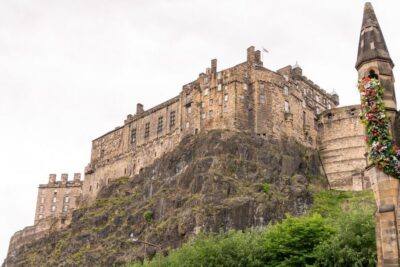

Edinburgh Castle: Guided Walking Tour with Entry Ticket
Read our review →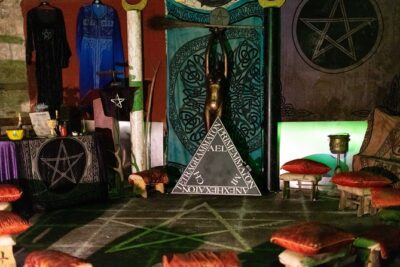
Underground Vaults Walking Tour in Edinburgh Old Town
Read our review →Edinburgh Castle: Guided Walking Tour with Entry Ticket
Read our review →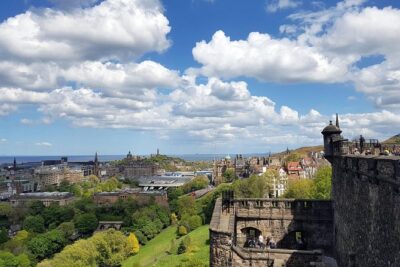
Edinburgh Castle Guided Walking Tour in English
Read our review →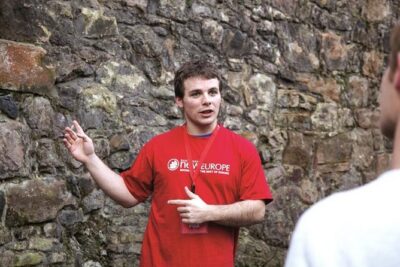
Edinburgh Darkside Walking Tour: Mysteries, Murder and Legends
Read our review →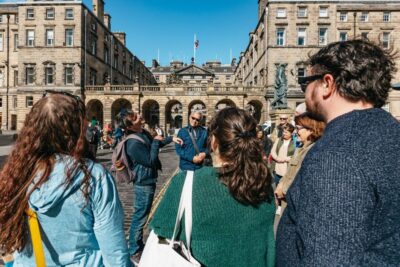
Old Town Walking Tour History and Tales in Edinburgh
Read our review →Browse the lists this tour appears in